Understanding the Japanese Market
It can be difficult to understand customer expectations, business practices, and commercialization requirements in Japan.


ABOUT
What is Robot Support Service?Robot Support Service(RSS)is a Japan market entry support service for overseas robotics companies planning to commercialize robots in Japan. RSS helps clarify what is required before and after market entry, including certification preparation, customer validation, local operations, and after-sales support.
CHALLENGES
Expanding into Japan? We Can Help.It can be difficult to understand customer expectations, business practices, and commercialization requirements in Japan.
Safety standards, certification processes, and local product requirements can create uncertainty before market entry.
Overseas companies often need local customers, PoC opportunities, and early validation partners before full-scale entry.
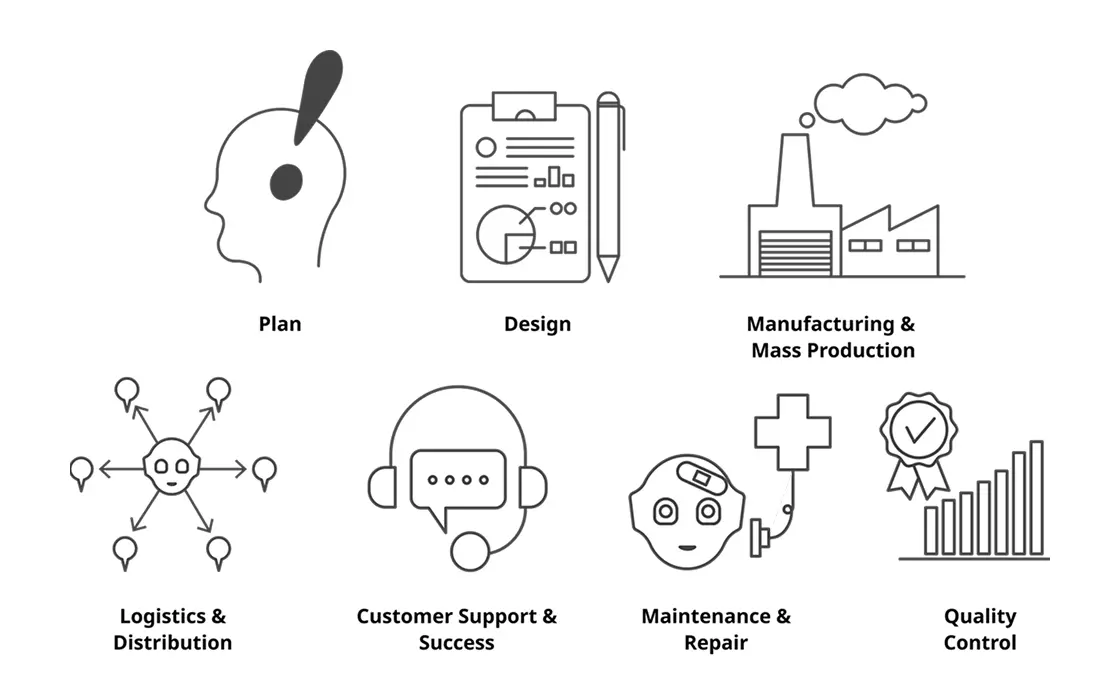
Maintenance, repair, logistics, deployment, and customer support capabilities are essential for serving customers in Japan.
MARKET ENTRY
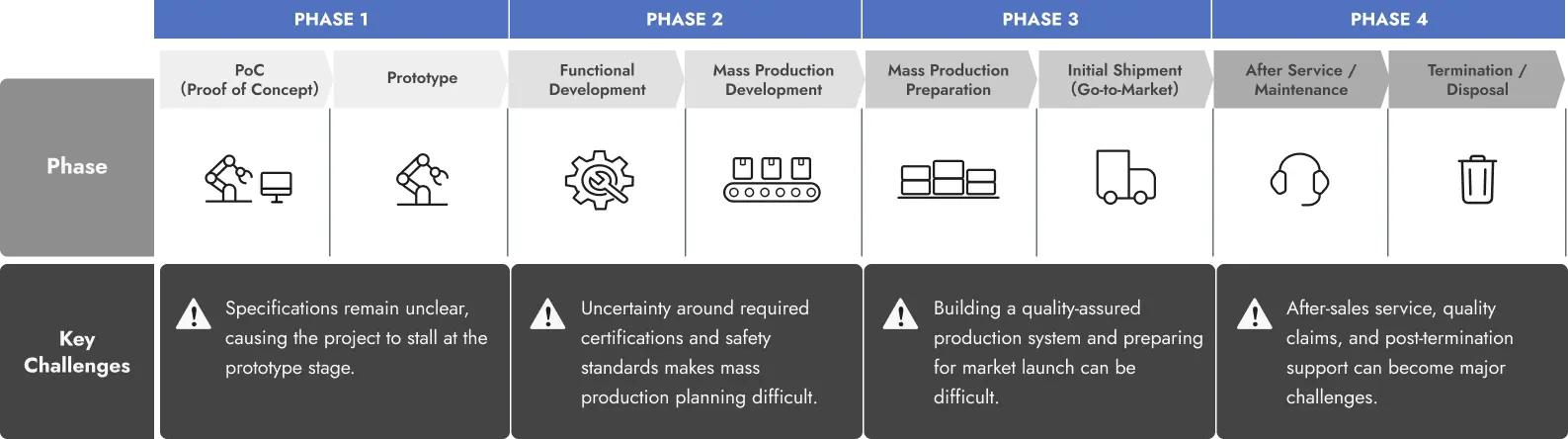
Entering Japan Requires More Than a Proven ProductScroll horizontally →
READINESS CHECKLIST
What Needs to Be Defined Before Entering Japan?
Are your target users, use cases, value proposition, and operating environments clearly defined for Japan?

Are specifications, UX, documentation, installation conditions, and service requirements aligned with Japanese customers?

Are the required safety standards, certifications, and compliance steps clear before market launch?

Are target customers, success criteria, test environments, and validation methods defined for Japan?

How will deployment, maintenance, repair, spare parts, and customer support be handled after launch?

How will market issues be collected, analyzed, and reflected back into product and service improvement?
SUPPORT
End-to-End Support for Japan Market Entry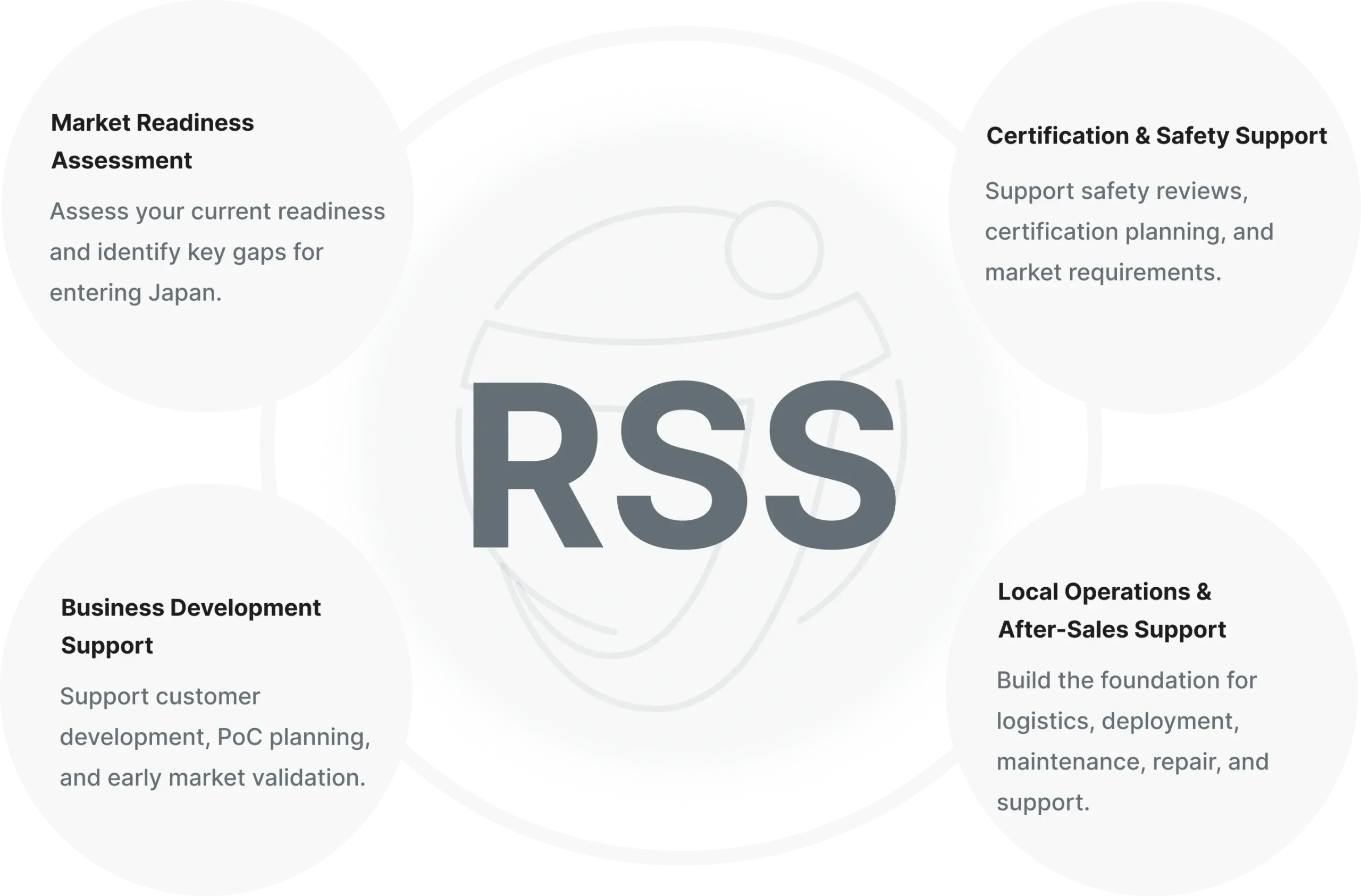

Assess your current readiness and identify key gaps for entering Japan.
Support safety reviews, certification planning, and market requirements.
Support customer development, PoC planning, and early market validation.
Build the foundation for logistics, deployment, maintenance, repair, and support.
WHY SOFTBANK ROBOTICS
A Local Partner for Robotics Commercialization in JapanPoint 01
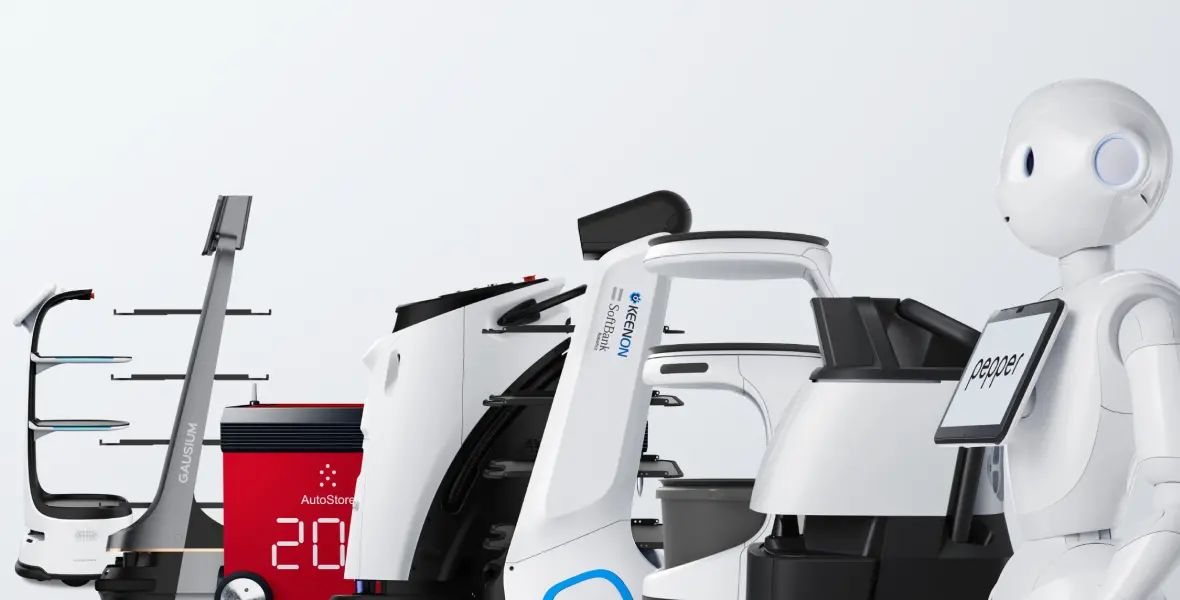
We understand what it takes to move robots from product readiness to real-world operation.
Point 02
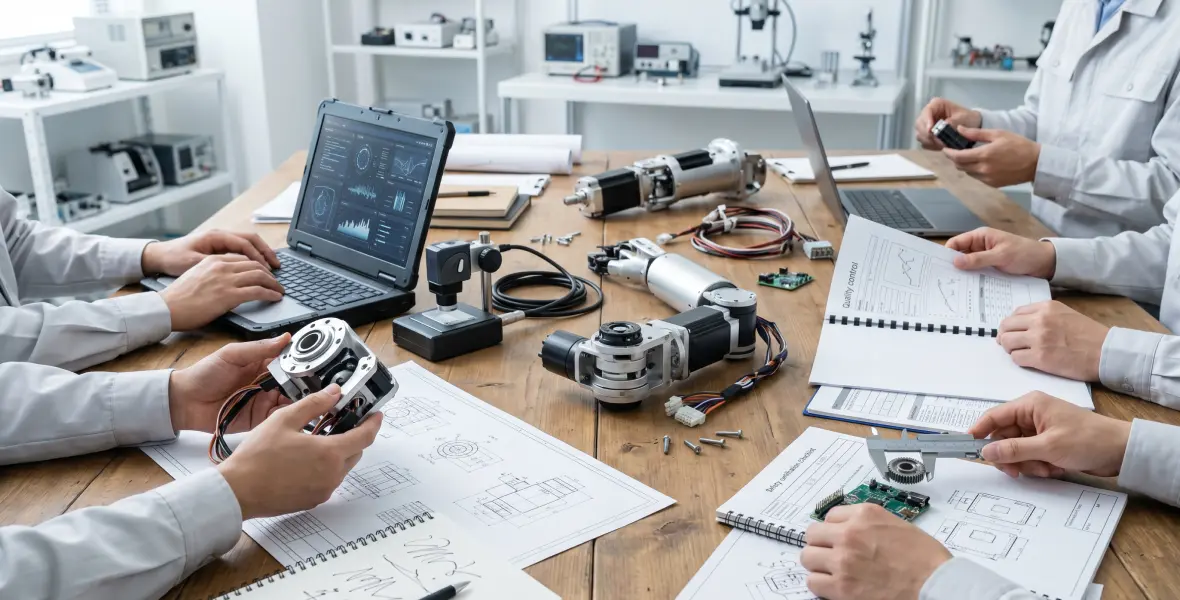
We help overseas companies navigate customer expectations, certification needs, service quality, and commercialization processes in Japan.
Point 03
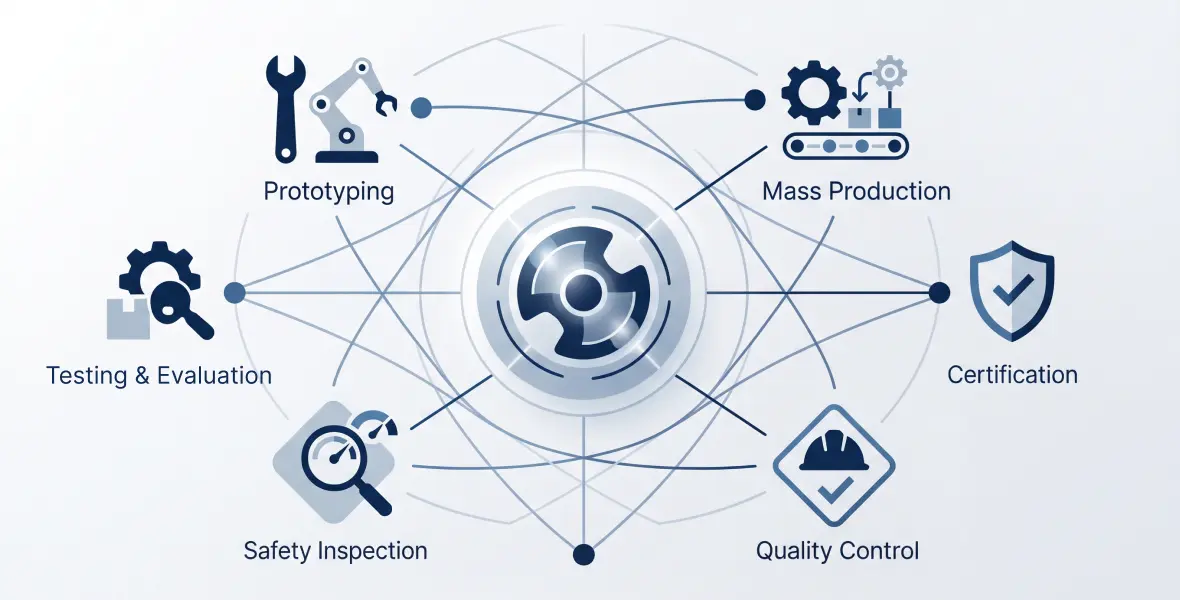
We work with partners and stakeholders across certification, logistics, field service, and the Japanese robotics ecosystem.
ARRK Corporation
Supports product planning, development, and small- to medium-scale production

TÜV SÜD
Supports inspection and certification for compliance with safety standards
LOCAL OPERATIONS
Build Local Operations Without Starting from Zero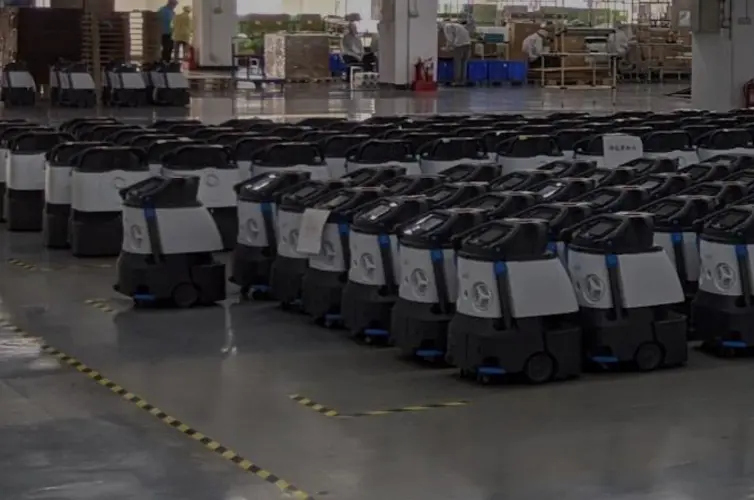
Support incoming inspection, outgoing quality control, software updates, and preparation before shipment in Japan.
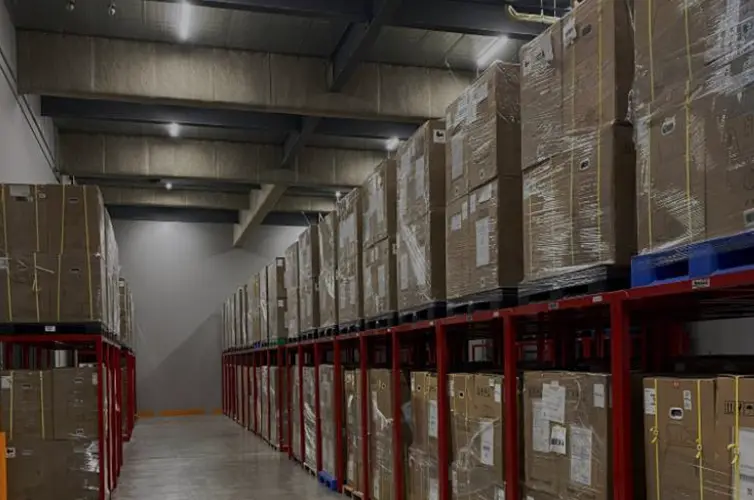
Support domestic warehousing, shipping, on-site mapping, and deployment for customer environments.
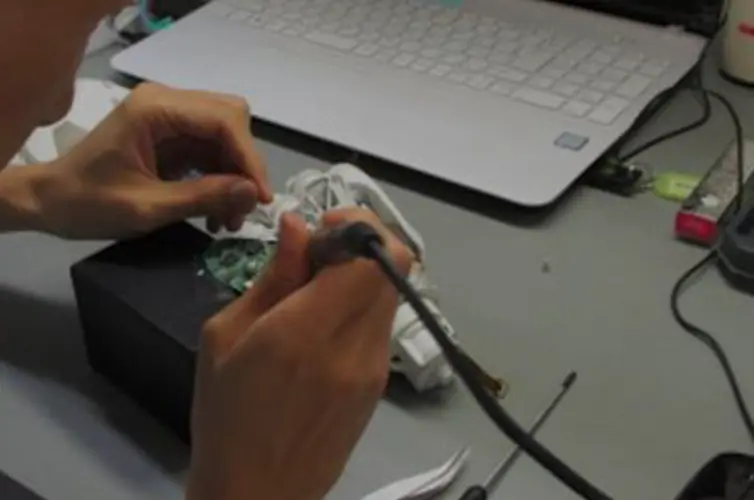
Support inquiry handling, repair operations, refurbishment, and after-sales service setup.
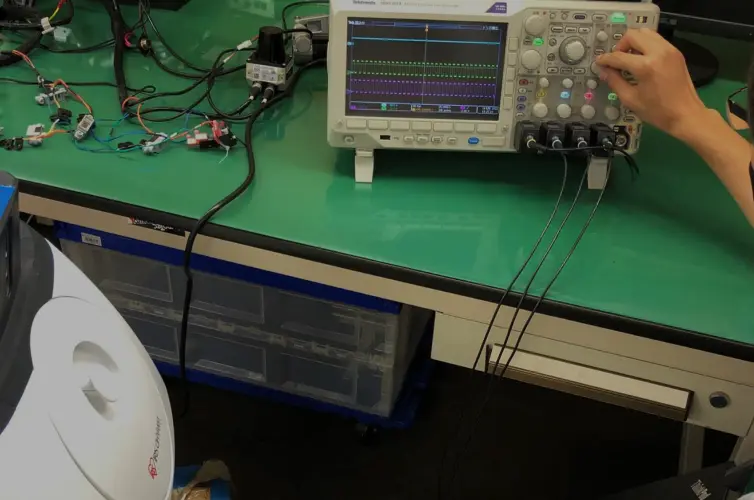
Support root cause analysis of market issues, reliability testing, and use case validation before and after launch.
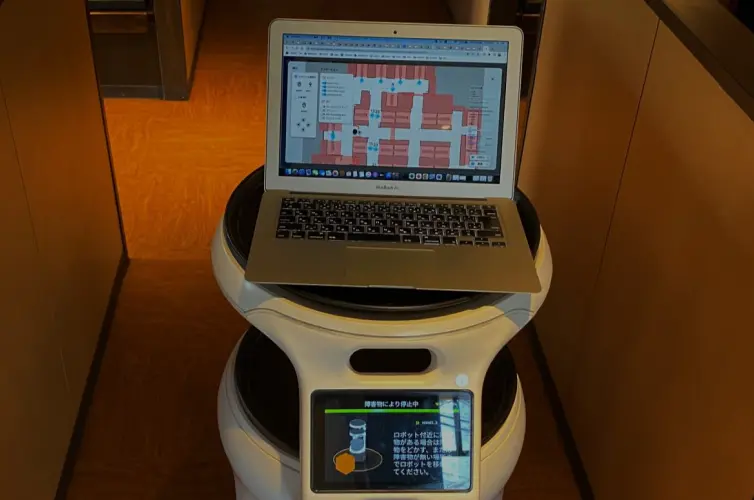
Support field service planning and maintenance operations based on the customer environment and usage conditions.
USE CASES
Support Experience Across Robotics CategoriesOverseas Companies
Liberaware
Indoor Drone
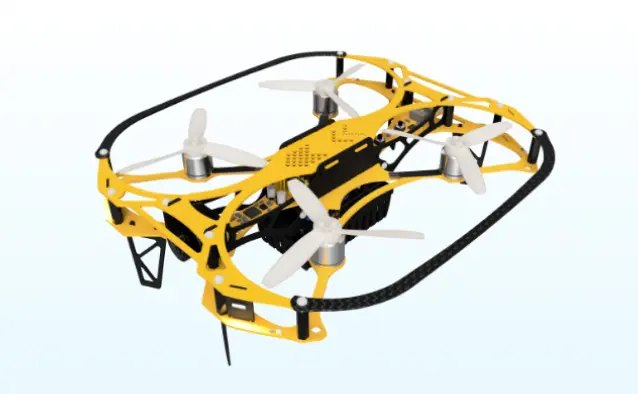
Supported certification planning from the product planning stage by organizing country-specific requirements, standards, tests, and timelines, helping prevent certification-related delays and maintain the original development schedule.
Supported Areas
Keenon
Delivery Robot
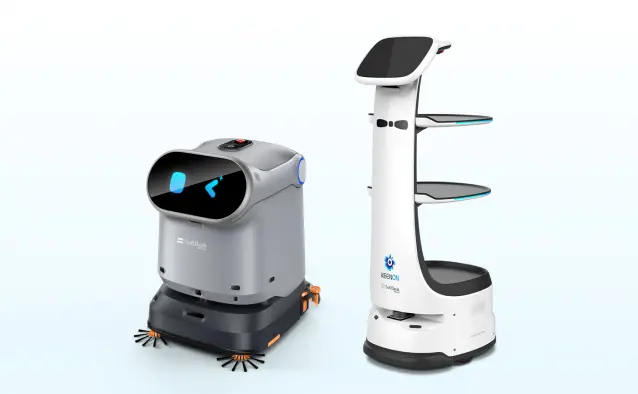
Conducted factory audits and software quality testing to support quality improvement across products.
Supported Areas
TUSK
Autonomous Forklift
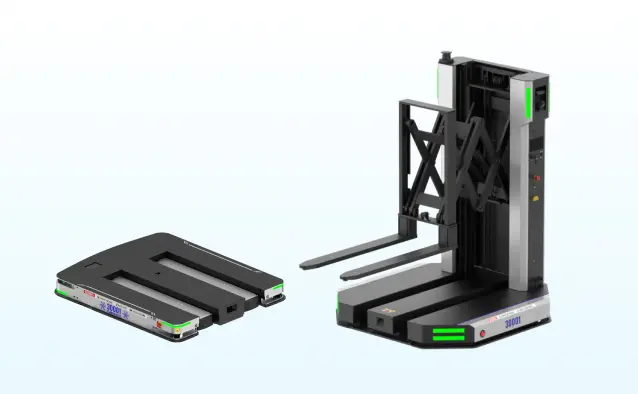
Conducted certification research and risk assessments, and provided feedback on improvement points to support a safer product release.
Supported Areas
Japan-Based Companies
TELEXISTENCE
Drink Replenishment robot
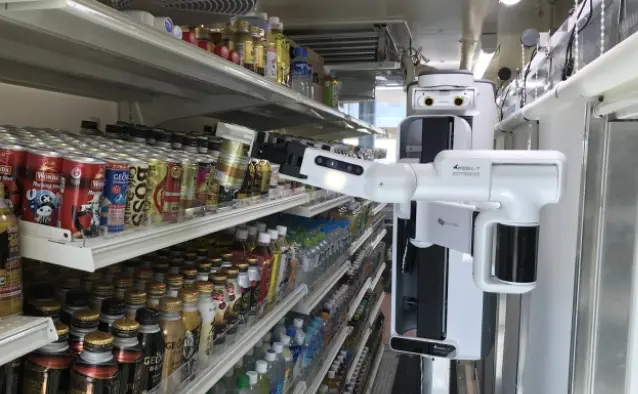
Supported development management and the planning and execution of reliability testing from the development stage. After launch, supported market expansion by handling installation and repair operations.
Supported Areas
GAUSIUM
Cleaning Robot
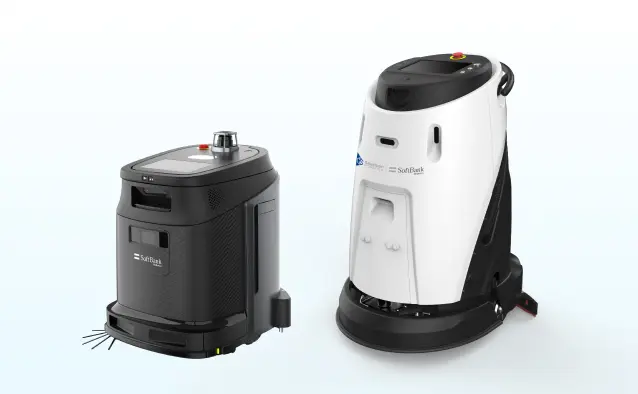
Conducted factory audits and software quality testing to support quality improvement across products. Also provided after-sales services for distributors other than SoftBank Robotics.
Supported Areas
Pyrenee
Driver Assistance Device
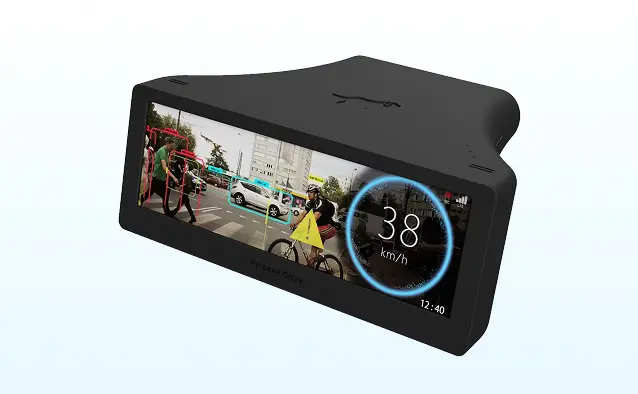
Provided regular advisory support for mass production development, including solution proposals and project direction for development issues. RSS continues to support Go-to-Market activities.
Supported Areas
FLOW
How We Help You Prepare for the Japanese Market
Share your product, target customers, business stage, and current challenges.

We review product readiness, certification needs, local operations, and customer development priorities.

We define the support scope, key actions, timeline, and next steps for Japan market entry.

We support PoC planning, customer engagement, and early market validation activities.

We help build the support foundation for deployment, maintenance, repair, logistics, and customer support.
FAQ
Frequently Asked QuestionsA. Entering Japan requires coordination across localization, regulatory compliance, deployment, and after-sales operations. Robot Support Service (RSS) supports overseas robot manufacturers throughout the commercialization process, from Go-to-Market planning and market entry to deployment and long-term operations in Japan.
A. Successful commercialization requires more than product readiness. Market fit, localization, regulatory compliance, local partnerships, and post-launch operations should be planned as part of a single Go-to-Market strategy. RSS helps manufacturers align these elements to reduce risk and build a sustainable robot business in Japan.
A. Establishing a local subsidiary is not always necessary at the initial stage of market entry. Many overseas manufacturers start by validating market potential and building local partnerships. RSS supports the development of a market entry model tailored to each company’s strategy and investment plan.
A. Localization goes beyond translation and is essential for successful commercialization in Japan. RSS supports a smooth market launch and ongoing operations by optimizing UI/UX, user flows, documentation, and products for the Japanese market.
A. Successful commercialization in Japan requires early planning for safety standards, regulations, and cybersecurity requirements, including JC-STAR. RSS integrates these requirements into the Go-to-Market strategy, helping reduce risks and ensure a smooth market launch.
A. A successful PoC should validate not only technical performance but also operational feasibility and market fit. RSS helps identify suitable PoC opportunities in Japan, coordinate with local partners, and develop validation plans with commercialization in mind.
A. Moving from PoC to mass production requires planning beyond technical validation, including production readiness, business viability, and operations. RSS provides end-to-end support from PoC through mass production and market launch, helping reduce commercialization risks in Japan.
A. Scaling service robots across Japan requires more than sales. It also requires the right logistics, deployment, maintenance, and support infrastructure. RSS helps build the Go-to-Market strategy and operational structure needed for nationwide deployment and sustainable growth in Japan.
A. In Japan, reliable operation and timely support after deployment are key to customer satisfaction and long-term use. RSS helps build an after-sales service structure covering maintenance, repair, and customer support to support sustainable business growth.
A. Nationwide field service requires a reliable maintenance and repair network with fast local response. RSS leverages its nationwide service network to help build a field service structure that supports maintenance and repairs across Japan.
A. Customer Success plays a key role in driving adoption, resolving operational challenges, and expanding robot use after deployment. RSS supports customer success operations through usage monitoring, customer engagement, and continuous improvement to drive long-term adoption and business growth.
A. Go-to-Market support can be tailored to specific business needs without outsourcing the entire process. RSS supports selected phases such as localization, certification, PoC, mass production, logistics, and after-sales service based on each customer’s business stage and priorities.
A. The time required to commercialize a robot in Japan depends on product readiness, regulatory requirements, and market conditions. When key requirements are already in place, we have supported market launches in as little as two to three months. RSS provides end-to-end support, from Go-to-Market planning through market launch.
A. RSS combines end-to-end commercialization support with extensive real-world experience gained from deploying, operating, and maintaining service robots. We support overseas manufacturers from market entry through long-term operations, applying practical insights to product development, quality improvement, and service design.